A Practical Guide to Residential Roof Replacement in Florida
Florida's climate presents unique challenges for residential roofing. Intense sun, high humidity, and the threat of tropical storms mean that a roof here takes more abuse than in many other parts of the country. Over time, even well-built roofs reach the end of their service life. Knowing when to replace your roof and what to expect during the process can save you from unnecessary stress and costly emergency repairs.
Signs That a Replacement Is on the Horizon
Most homeowners wonder how to tell if their roof needs more than just repairs. A few clear indicators can help you decide. Curling, buckling, or missing shingles are obvious signs, but you should also look for granules from asphalt shingles collecting in your gutters. That granular loss means the shingles are aging and losing their protective surface. Another clue is light entering through the roof deck in your attic. If you can see daylight, moisture can find its way in too. Water stains on ceilings or walls inside the home often point to a roof that has failed somewhere, though the leak may travel along framing before it becomes visible. A roof inspection checklist that includes checking attic ventilation, examining the drip edge flashing, and looking for sagging areas can help you assess the situation methodically.
Storm damage assessment is another critical step. After a major storm, even a roof that looked fine before may have hidden damage. Lifted shingles, dents from hail, or debris impacts can compromise the roof's integrity. It is wise to have a professional inspection after any severe weather event, because what looks like a minor issue can quickly become a major leak.
Understanding the Replacement Process
A full roof replacement involves removing the existing roofing material, inspecting and repairing the deck underneath, installing new underlayment, and then applying the new roofing material. The process is more involved than a simple repair, but it gives you a fresh start. In Florida, building codes require specific underlayment types and fastening schedules to resist wind uplift. A tile underlayment, for example, must meet certain standards to handle the weight and wind resistance of concrete or clay tiles.
One of the most important steps during replacement is ensuring proper roof ventilation. Without adequate airflow, heat and moisture can build up in the attic, leading to premature aging of the new roof and potential mold issues. Ridge vents, soffit vents, and gable vents all play a role in keeping the roof system healthy. Drip edge flashing is another detail that matters. This metal strip directs water away from the fascia and into the gutters, preventing rot and water damage along the roof's edge. A good roofer will make sure these components are installed correctly, because shortcuts here can shorten the lifespan of the new roof.
Material Choices for Florida Homes
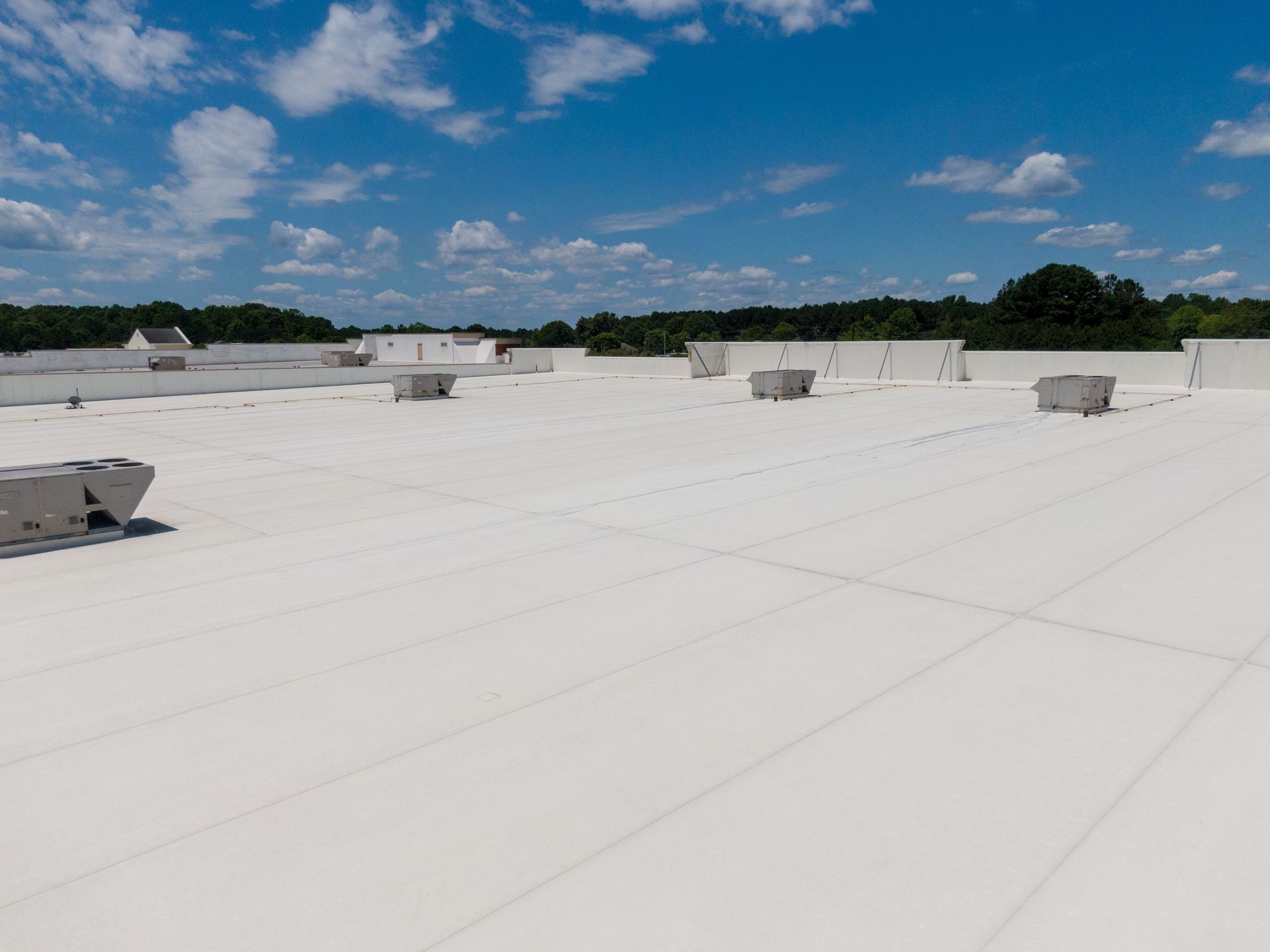
Residential roof replacement in Florida is not a one-size-fits-all decision. The material you choose needs to stand up to heat, humidity, and wind. Asphalt shingles remain a popular choice because of their cost and ease of installation, but they have a shorter lifespan in hot climates. Metal roofing, such as standing seam steel or aluminum, offers excellent durability and reflects heat well, though it can be more expensive and requires skilled installation. Flat roof replacement is common on modern or commercial-style homes, and those systems often use modified bitumen or single-ply membranes like TPO or EPDM. Each option has trade-offs regarding cost, longevity, and aesthetics.
For homes with tile roofs, the underlayment is especially important. Tile roofs rely on the underlayment as the primary waterproofing layer, because the tiles themselves are not watertight. If the underlayment fails, the structure underneath can suffer serious damage before you ever notice a problem. A proper tile underlayment installation includes using the correct felt or synthetic membrane, overlapping it correctly, and fastening it securely. Florida's building codes have specific requirements for this, and a reputable roofer will follow them closely.
What to Expect During the Work
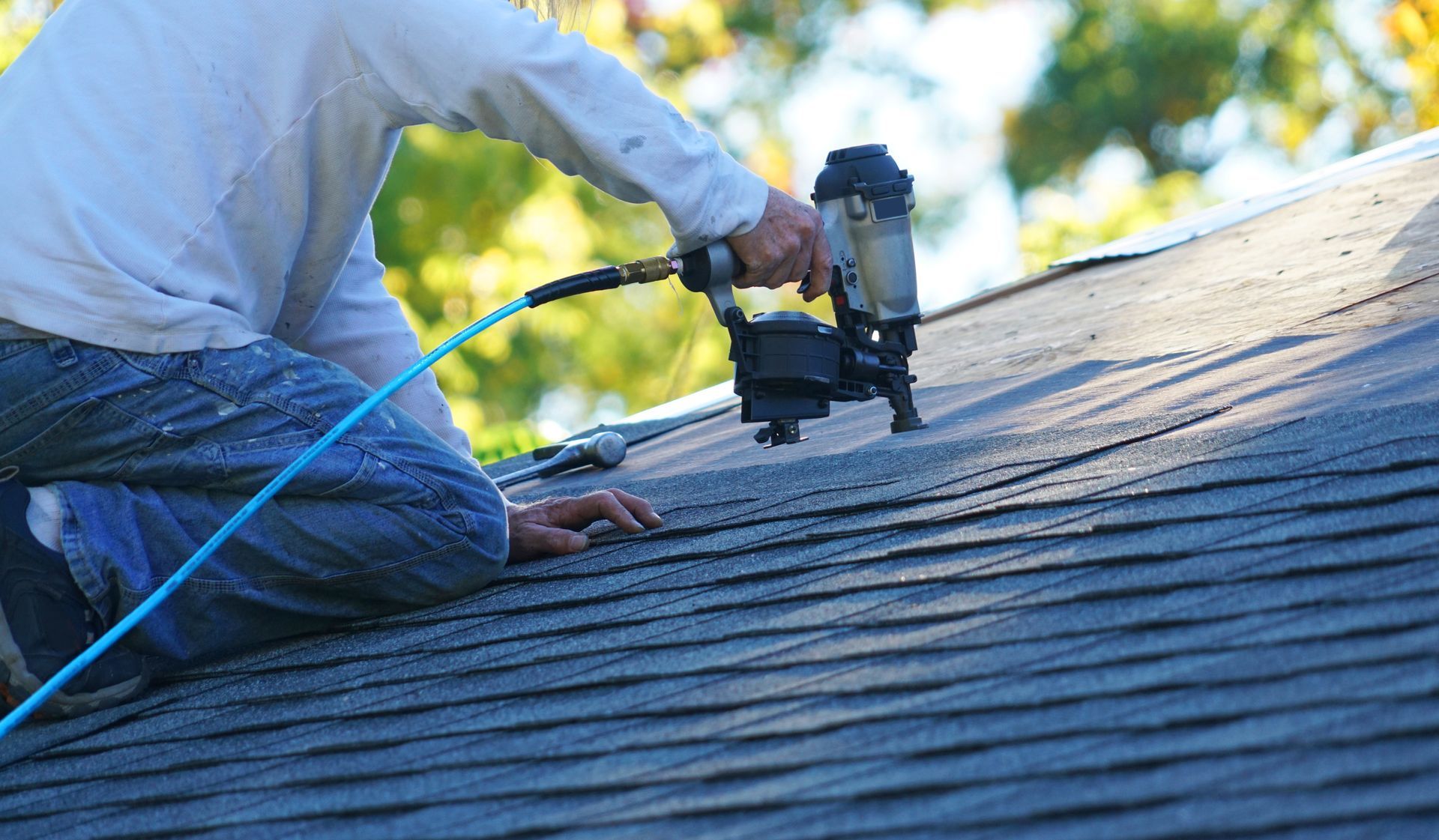
A roof replacement typically takes a few days to a week, depending on the size and complexity of the roof. The crew will start by protecting your property with tarps and dumpsters for debris. Then they strip off the old roof, which can be noisy and dusty. Once the deck is exposed, they will inspect it for rot or damage and make any needed repairs. After that, the underlayment goes down, followed by the new roofing material and all the flashings, vents, and accessories. You should expect some disruption, but a professional crew will work efficiently to minimize the time your home is exposed to the weather.
One common question homeowners have is whether they need to be home during the work. Usually, you can go about your day, but you may want to move vehicles and outdoor furniture out of the way. The crew will need access to the roof, and they will appreciate a clear path. It is also a good idea to secure any pets, because the noise can be startling.
Planning for the Long Term
When you invest in a Florida roof replacement, you want it to last. Regular maintenance after the new roof is installed will help you get the most out of it. Cleaning gutters, trimming overhanging branches, and having a professional inspection every few years can catch small problems before they grow. Pay attention to areas around vents, chimneys, and skylights, because those are common leak points. Keeping the roof clear of debris after storms is also important, especially if you have a flat roof where water can pool.
Roof ventilation does not stop being important after installation. If your attic feels excessively hot or you notice condensation, it may be worth improving the ventilation. A well-ventilated roof deck lasts longer and helps your home stay cooler, which can reduce your energy bills over time. Drip edge flashing should be checked periodically to ensure it has not been bent or damaged by wind or debris.
Making the Decision
Deciding to replace a roof is a significant home improvement. It is not something most homeowners look forward to, but a well-executed replacement adds value, comfort, and peace of mind. If you are seeing the warning signs we discussed, it is worth getting a professional assessment sooner rather than later. Waiting too long can lead to interior damage, mold, and higher costs. A thorough roof inspection checklist can guide you, but a qualified roofer will have the experience to spot issues you might miss.

In the end, a Florida roof replacement is about protecting your home against the elements. Florida's weather demands a roof that is designed and installed with care. By understanding the process, choosing the right materials, and planning for maintenance, you can make a smart investment that serves your home well for years to come.